
Weather and driving range. Electric vehicles work most efficiently in, coincidentally, about the same temperature range that people enjoy. When temperatures drop much below freezing or rise above 90°F, an EV won’t drive quite as far on a full battery. In the cold, an EV temporarily loses some driving range, mostly due to running an energy-sapping heater for the occupants, according to Recurrent, a company that tracks EV battery performance. Similarly, extremely hot weather reduces range, though to a lesser extent, when the cabin air conditioner runs.
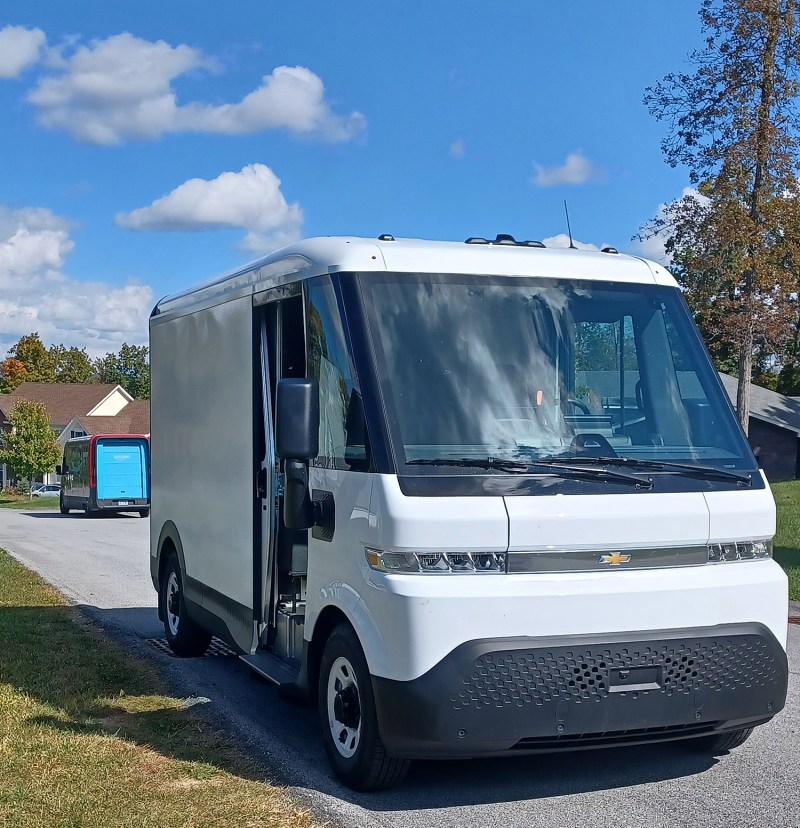
Costs. Electric vehicles, generally, cost more than gas- or diesel-powered models in terms of sticker price. For instance, customers generally pay 26% more for full-size electric pickups than for similar gas-powered trucks, according to Edmunds.com. (Edmunds has not done this analysis for vans similar to the BrightDrop.) The difference is mostly due to the expensive batteries EVs run on. However, there are still various state incentives for EV purchases that can narrow, or even close, that gap. Including GM’s incentives, the BrightDrop’s sticker price is surprisingly close to that of its gasoline-powered counterpart, the Chevrolet Express van.
Leasing is particularly popular with EVs because it can help protect against the vehicle’s losing a lot of value when trade-in time comes. Also, leases often offer more incentives that can lower the cost.
Another area in which EVs cost more is insurance. For various reasons, including their higher price plus the need to use specialized shops for repairs, insurance rates for EVs are generally considerably higher than for gas vehicles, according to AAA.
EV owners save money on fuel and, to some extent, maintenance, since EVs don’t need oil changes, they have far fewer moving parts, and their brake pads last longer. Ultimately, many factors make it difficult to generalize about whether an EV saves money in the long run.
Battery life. If you’re worried about that very expensive battery pack giving out on you, don’t. It shouldn’t be a major concern. Today, almost all automakers, including Chevrolet, offer at least an eight-year, 100,000-mile warranty on the big lithium-ion battery pack. As with any other warranty, it covers defects in the materials or construction. If the battery is damaged in an accident, that would be covered by insurance.
Fire risk. You may have read in the news about EVs catching fire. A few EVs have been recalled for spontaneously igniting. Keep in mind, though, that gasoline-powered vehicles catch fire much more often than EVs, and many gasoline vehicles have also been recalled for catching fire. It’s hardly a problem unique to EVs.
Return to main article.